Sardinian durum wheat flour 1kg; a bit of semolina; bread yeast 10g, salt, lukewarm water
Dissolve the bread yeast in a little lukewarm water with a bit of flour and form a ball; knead well with the rest of the flour and semolina, adding more lukewarm salted water until you get a soft and elastic dough. Cover with a cloth sprinkled with flour and let it rise overnight in a warm place. Knead again for at least 20 minutes (by hand or with a mixer), adding a little more lukewarm salted water if necessary.
Form balls about 10 cm in diameter, flour them and place them between two cloths; let them rise for a few hours. Roll out the dough with a rolling pin into round sheets about 2 mm thick and about 40 cm in diameter. Stack them one on top of the other, separating them with a long cloth (the cloths used are up to three meters long) and press them under a wooden weight to prevent them from deforming. Let rise for another 4-5 hours. At the same time, start heating the oven: to check if it has reached the right temperature, bake a sheet; it should puff up quickly so it can be split with a knife into two surfaces of equal thickness (pane lentu). Bake the sheets one by one, using a "paddle" similar to that used by pizza makers, while a second person separates the two surfaces of the pane lentu, and quickly places them under the wooden weight to prevent them from deforming. Occasionally clean the oven with a heather broom to prevent ash from sticking to the sheets. Once baking is finished, carasare (toast) the bread: put all the
sheets back in the oven for a few seconds so they become nicely golden and crispy. Remove them and stack them, pressing them to prevent deformation until they cool.
When buying, check that the carasau bread is well browned: if it is not very "colored," it means that this last baking phase was not completed correctly.
.png "villa malvasio blog (1)")
© 2026 Villa Malvasio - All rights reserved.
Site optimized for Business & Relax in Sardinia.
Villa Malvasio
LEGAL NOTES & ODR
• Privacy & Cookie Policy
• Terms and Conditions
• Online Dispute Resolution (ODR):
https://ec.europa.eu/consumers/odr/
LEGAL DATA
Antonella Pia Malvasio
Via Giuseppe de Martini 46c
07100 - Sassari (SS) - IT
VAT: IT02739150908
Tax Code: MLVNNL76B60E379W
IUN: E8330
CIN: IT090064B4000E8330
CONTACTS
Phone: +39 320 4154474
Email: info@villamalvasio.com
WhatsApp: +39 320 4154474
Availability: 24/7 for guest emergencies
QUICK NAVIGATION
• Location & Contacts
• Suites & Rooms with Jacuzzi
• Private Event Venue
• Blog & Sardinia Travel Tips
• Transparency
BLOG
Pane Carasau - Sa Cuchina Sarda
Pane Carasau - Sa Cuchina Sarda
2018-06-02 15:09
2018-06-02 15:09
Roberto
Roberto
Sardinian bread, pane-carasau,
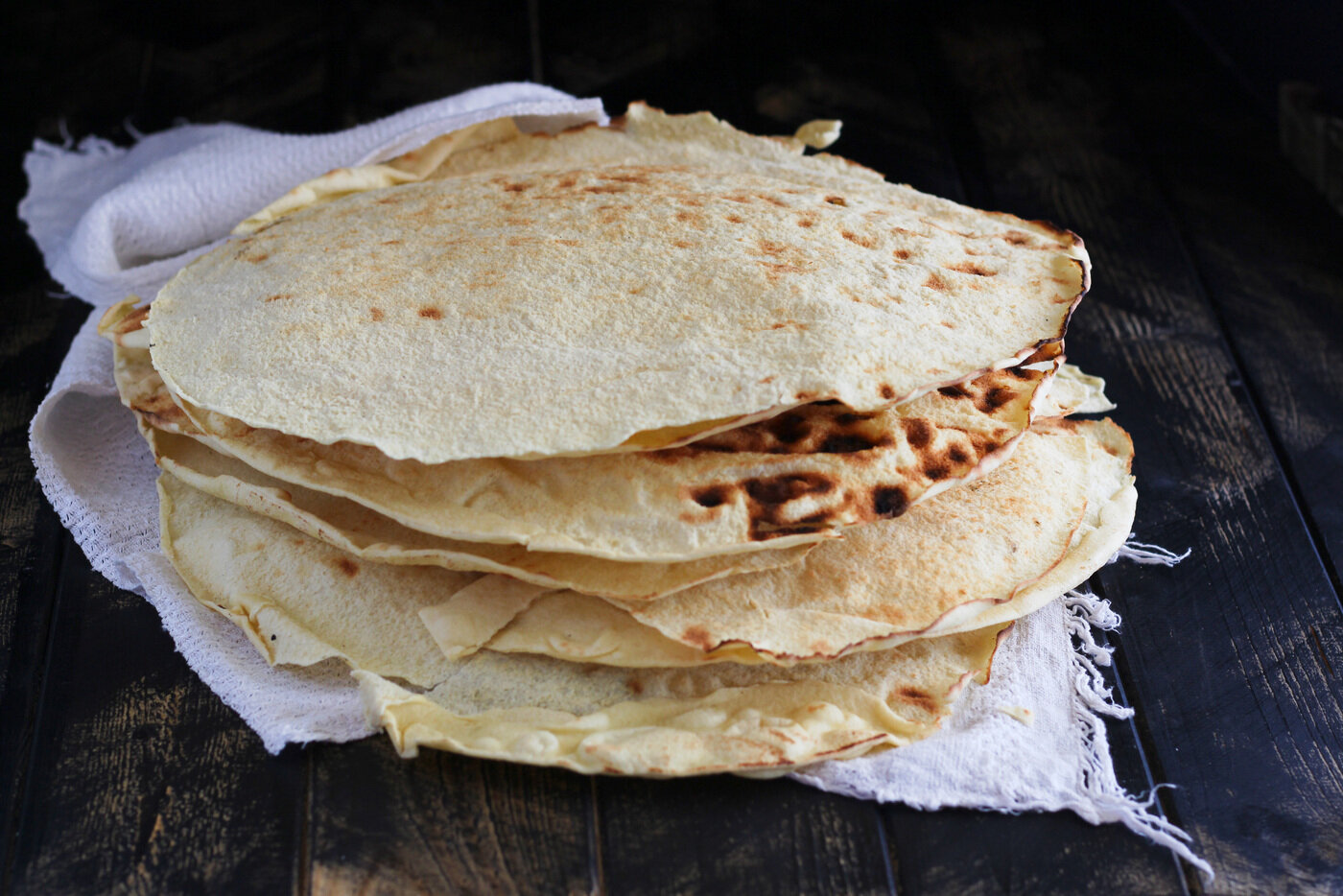
Sardinian durum wheat flour 1kg; a bit of semolina; bread yeast 10g, salt, lukewarm water. The recipe is included to reveal the complex and lengthy methods
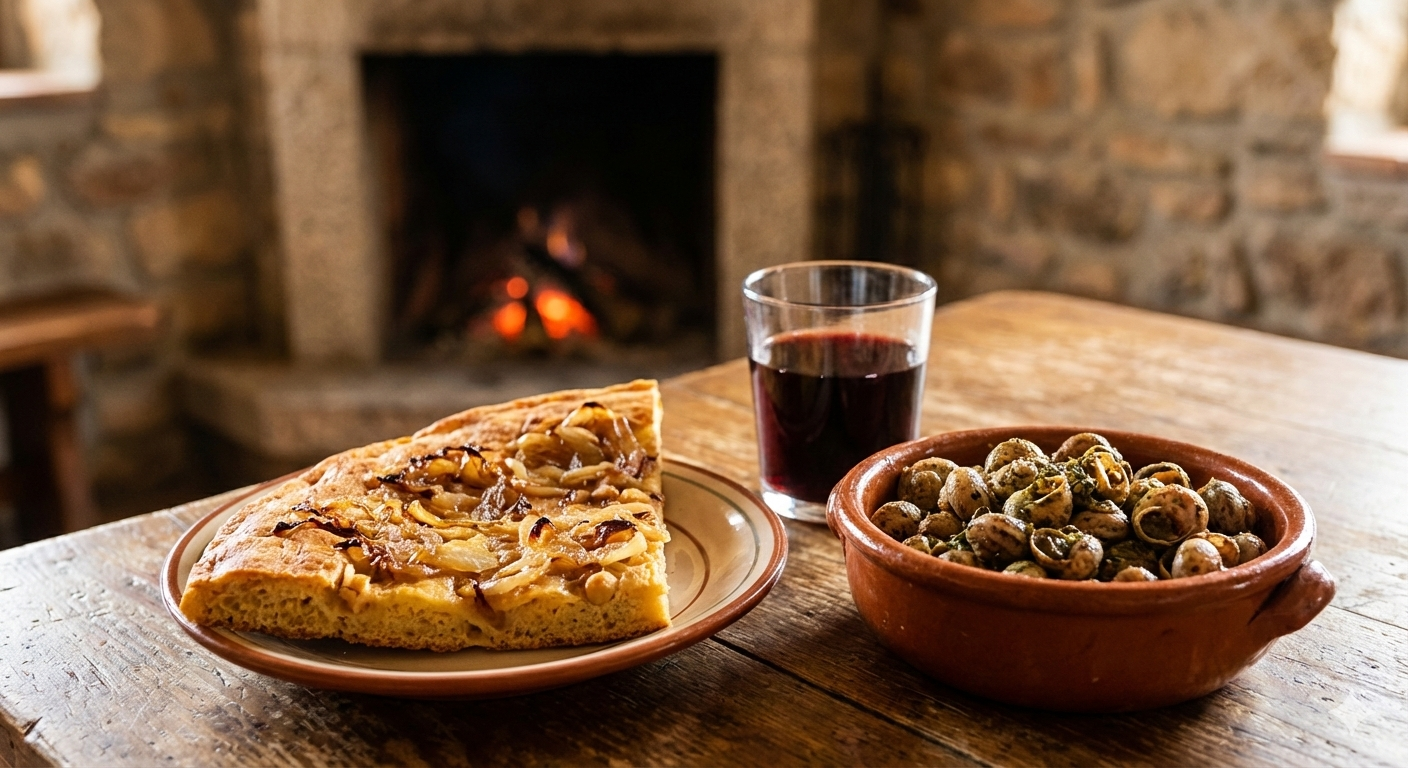
Eating in Sassari: 5 Secret Dishes (from Monzette to Fainè) to Feel Like a Local
2026-01-27 18:45:00
2026-01-27 18:45:00
Roberto
Roberto