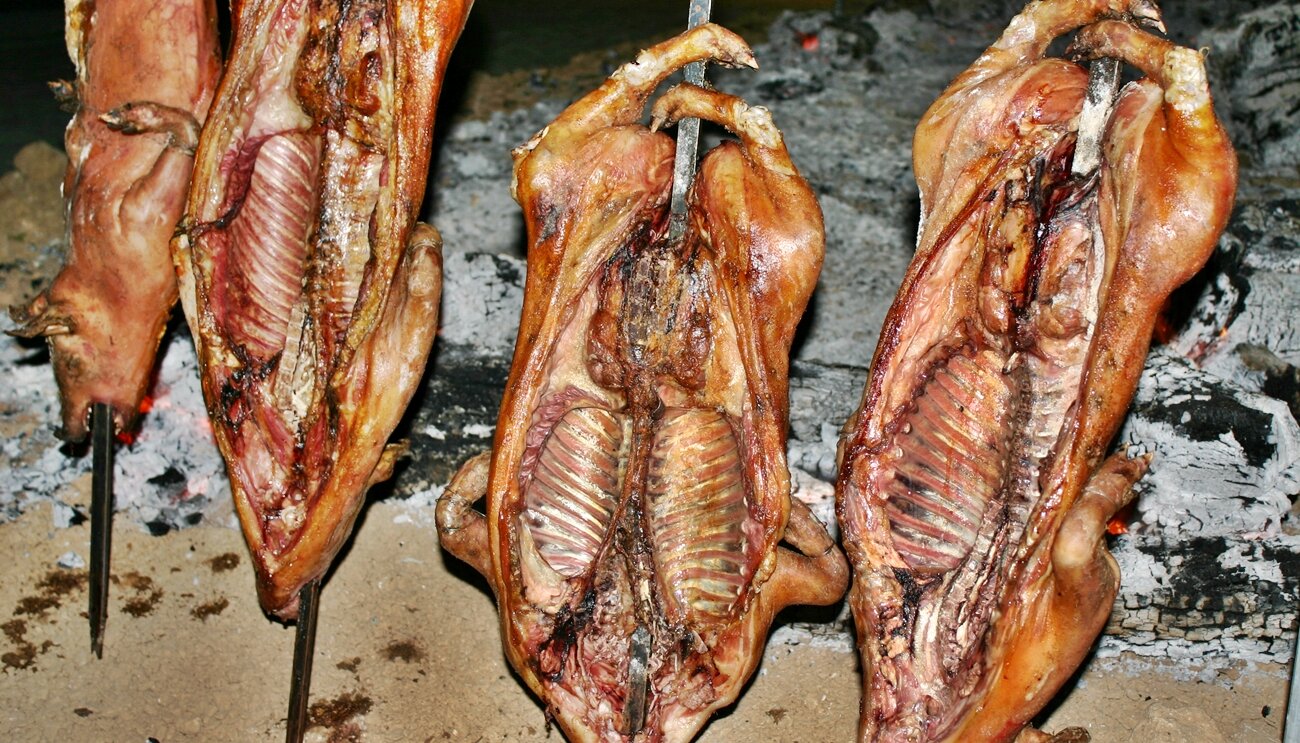
Suckling Sardinian pig of about 5 kg (max 8); a spit; fire made with aromatic Sardinian wood, lard, salt, pane carasau. To make this recipe, a fireplace or an outdoor fire is essential.
Buy the piglet from the butcher already prepared for cooking. If it is not already butchered, clean it thoroughly, remove the innards, scrape the skin and singe it over the fire to completely remove the bristles, then wash it. Cut it in half along the spine, including the head.
Skewer the whole piglet on the spit, inserting the rod through the jaws, along the backbone and, twice, through the ribs, finally into the pelvis; fold the hind legs toward the tail and pair them, skewering them as well; make two holes in the skin of the neck and insert the front legs; place a skewer (even of wild olive or myrtle wood) crosswise
on the ribs, to keep the piglet well open during cooking.
Place it about half a meter from a well-lit fire, preferably of aromatic Sardinian wood, with the belly facing the flame. When this side begins to brown, turn the spit (in Sardinian, furria-furria, turn-turn), at 10-minute intervals. As the rind takes on a nice dark golden color, take a piece of lard, skewer it and set it on fire, with the help of a couple of dry sticks and wrapping it in scrap paper. Baste with lard (or istiddiare, from Sardinian, meaning to drizzle with lard) the porcetto on all sides, continuing to turn the spit. Cooking
takes 2-3 hours, depending on the size of the animal and the intensity of the fire. Salt to taste at the end of cooking. The brain, in the head, should be protected with a piece of scrap paper
so that it does not dry out while cooking, remaining creamy. On a Sardinian cork cutting board, place a couple of layers of Pane carasau slightly moistened with water, remove the piglet from the spit, cut it into pieces over the bread, and serve hot.
.png "villa malvasio blog (1)")
© 2026 Villa Malvasio - All rights reserved.
Site optimized for Business & Relax in Sardinia.
Villa Malvasio
LEGAL NOTES & ODR
• Privacy & Cookie Policy
• Terms and Conditions
• Online Dispute Resolution (ODR):
https://ec.europa.eu/consumers/odr/
LEGAL DATA
Antonella Pia Malvasio
Via Giuseppe de Martini 46c
07100 - Sassari (SS) - IT
VAT: IT02739150908
Tax Code: MLVNNL76B60E379W
IUN: E8330
CIN: IT090064B4000E8330
CONTACTS
Phone: +39 320 4154474
Email: info@villamalvasio.com
WhatsApp: +39 320 4154474
Availability: 24/7 for guest emergencies
QUICK NAVIGATION
• Location & Contacts
• Suites & Rooms with Jacuzzi
• Private Event Venue
• Blog & Sardinia Travel Tips
• Transparency
BLOG
Sardinian-style roast suckling pig - Sa Cuchina Sarda
Sardinian-style roast suckling pig - Sa Cuchina Sarda
2018-06-04 16:20
2018-06-04 16:20
Roberto
Roberto
main meat courses, porcetto-arrosto-alla-sarda, porceddu, maialino-arrosto-alla-sarda,
Suckling Sardinian pig of about 5 kg (max 8); a spit; fire of aromatic Sardinian wood, lard, salt, carasau bread. To make the recipe it is essential
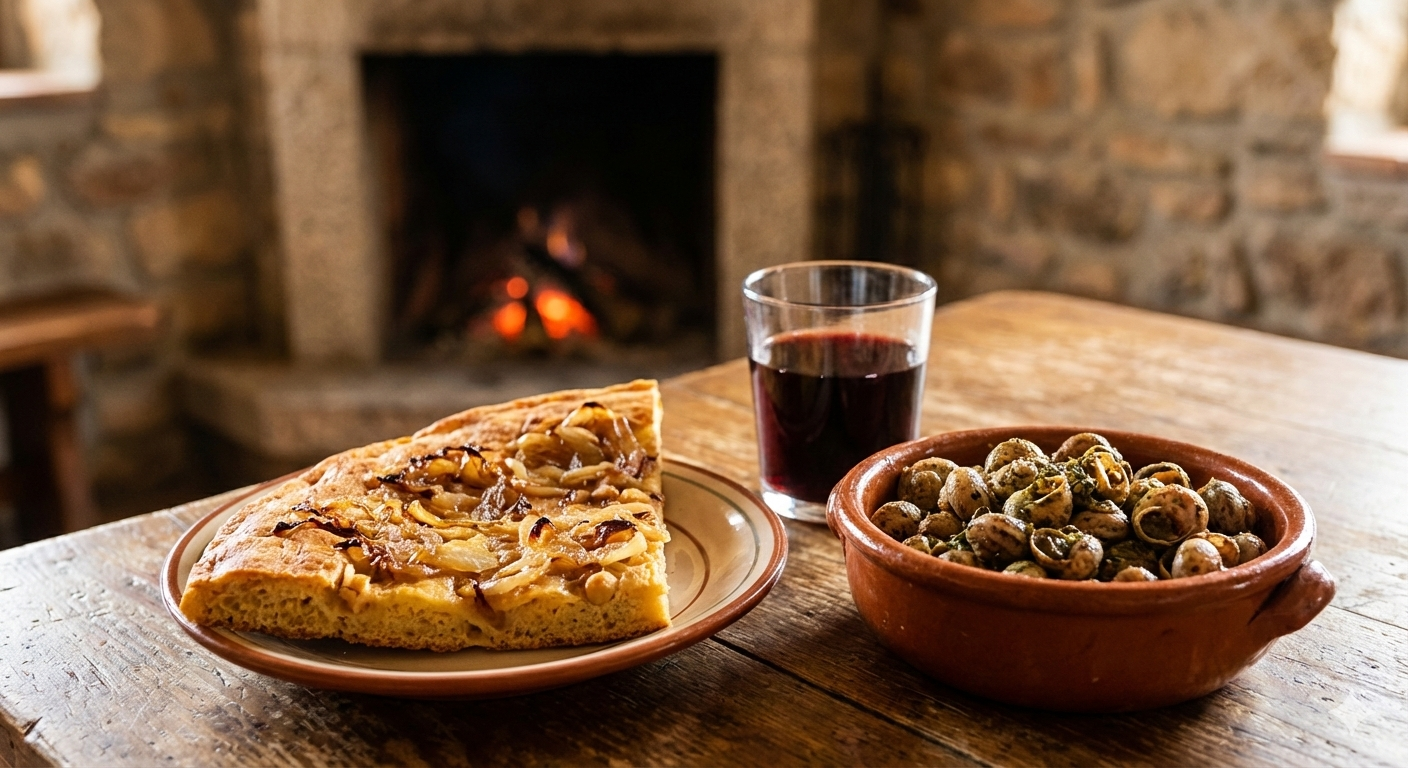
Eating in Sassari: 5 Secret Dishes (from Monzette to Fainè) to Feel Like a Local
2026-01-27 18:45:00
2026-01-27 18:45:00
Roberto
Roberto
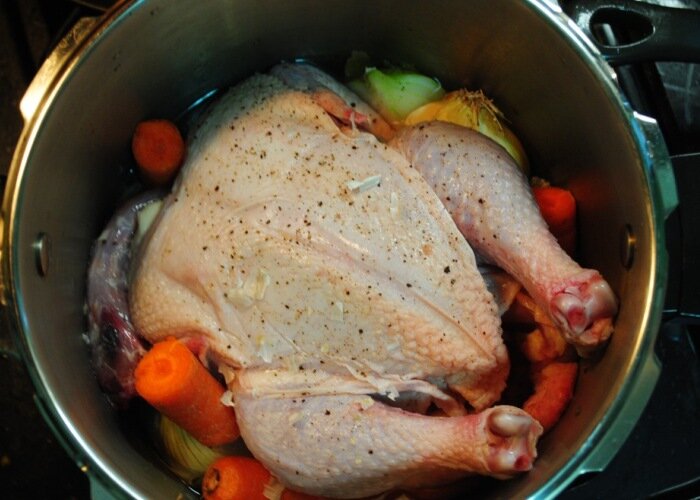
Chicken with myrtle - Sa Cuchina Sarda
2019-11-26 15:49:53
2019-11-26 15:49:53
Roberto
Roberto
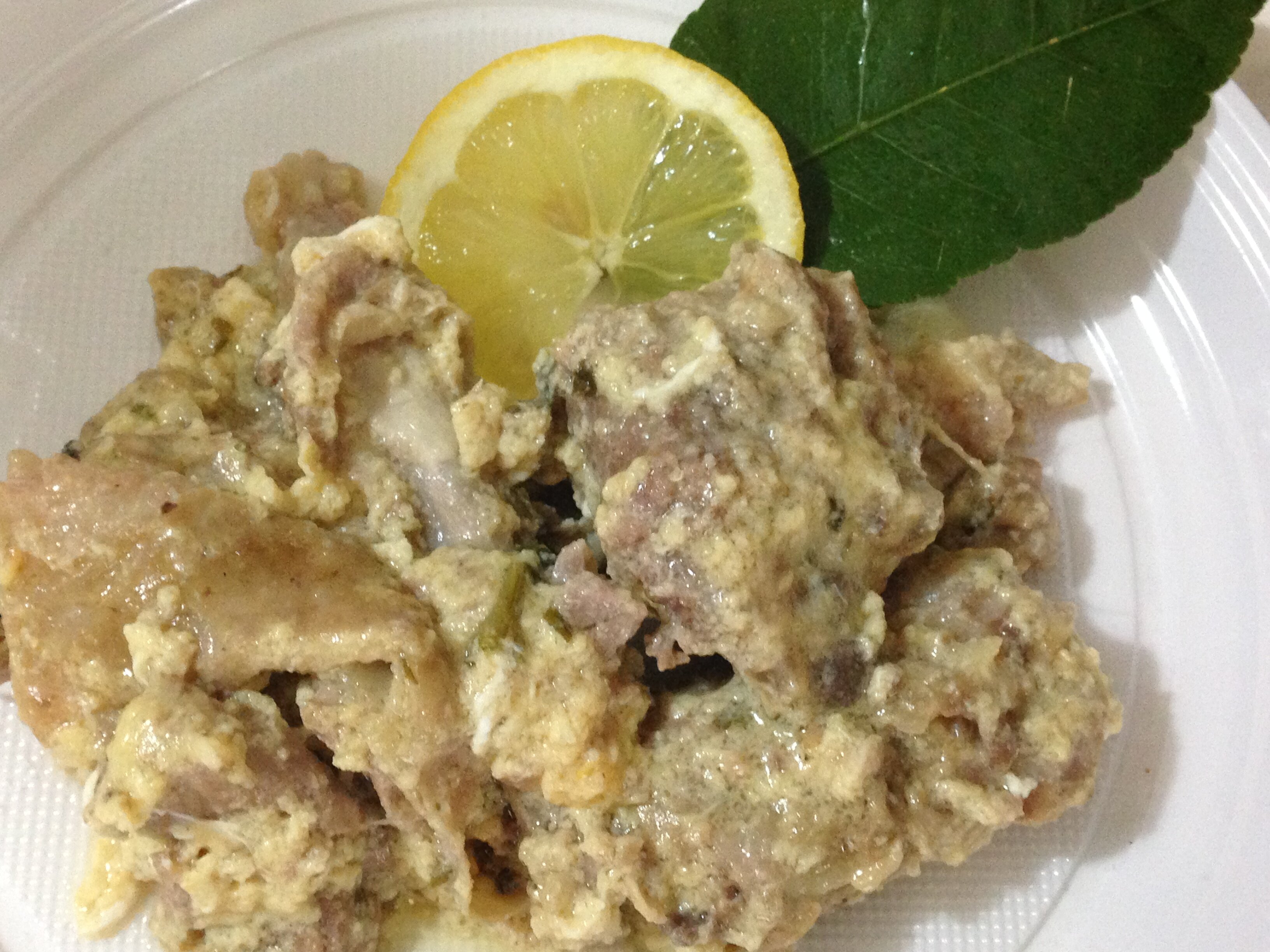
Lamb with lemon - Sa Cuchina Sarda
2019-11-26 11:39:34
2019-11-26 11:39:34
Roberto
Roberto